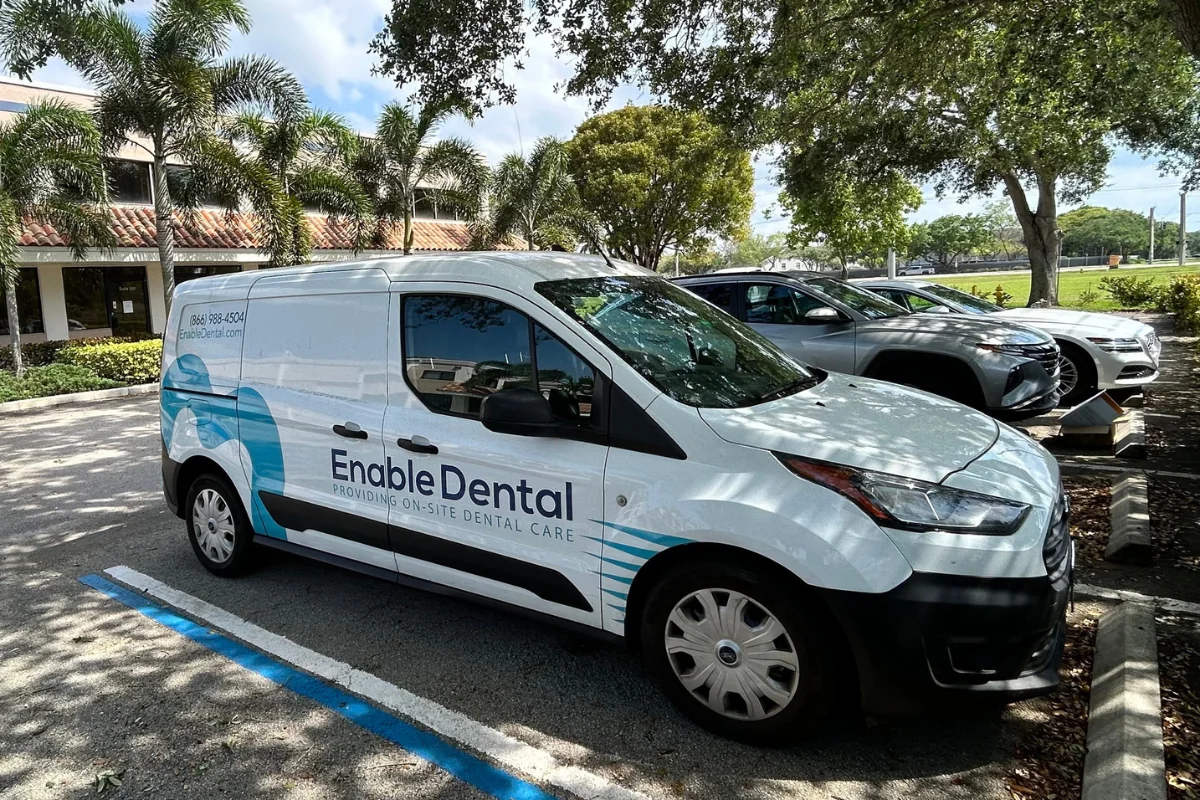
Why Portable Dentistry Is Becoming Essential for Modern Healthcare and Who It Helps Most
For years, going to the dentist has meant sitting in traffic, waiting in a lobby, and trying to fit an appointment into an already busy schedule. For some people, that is manageable. For others, it is a major barrier.
Across the country, more families are starting to realize that traditional dental care simply does not work for everyone. Seniors with mobility challenges, individuals living in assisted living or memory care, and even busy families are finding it increasingly difficult to access consistent dental care.
This is where portable dentistry is changing the landscape.
Instead of asking patients to come to the dentist, care is brought directly to them. What once felt like a niche service is now becoming one of the most practical and necessary solutions in healthcare today.
The Growing Gap in Access to Dental Care
Oral health has always been a critical part of overall health, yet it is often one of the most neglected. According to the Centers for Disease Control and Prevention, more than seventy percent of adults over the age of sixty-five have some form of gum disease. Many also have untreated cavities, infections, or broken teeth.
The issue is not always awareness. It is access.
As people age, simple tasks such as getting in and out of a car or sitting comfortably in a dental chair become more difficult. For those living in senior communities, arranging transportation can require coordination between staff, caregivers, and family members. Even then, appointments are often delayed or missed.
The situation becomes even more complex for individuals with cognitive conditions such as Alzheimer’s disease. A change in environment can cause confusion or anxiety, making a traditional dental visit stressful for both the patient and their caregivers.
When you look at the broader picture, the need for a more accessible model becomes clear. According to the U.S. Census Bureau, by 2040 the population of adults over sixty-five is expected to reach nearly eighty million. That shift is already reshaping how healthcare services need to be delivered.
Why Traditional Dental Models Fall Short
Dental offices are designed for efficiency, not accessibility. While they serve a large portion of the population well, they are not built for patients who require additional support.
Consider what a typical appointment involves. Transportation has to be arranged. A caregiver may need to take time off work. The patient must navigate an unfamiliar space, sit in a chair that may not accommodate their needs, and tolerate a clinical environment that can feel overwhelming.
For someone with limited mobility or cognitive decline, each step introduces friction. Over time, those small barriers add up and often lead to postponed or avoided care. The result is not just missed cleanings. It is a steady decline in oral health that can lead to pain, infection, and more serious complications.
Who Benefits Most from Portable Dentistry
Portable dentistry meets patients where they are, both physically and emotionally. It removes the layers of difficulty that prevent people from receiving care.
One of the groups that benefits the most is seniors living in assisted living or memory care communities. These residents often depend on others for transportation and scheduling. When dental care is brought on site, it becomes part of their routine rather than an exception.
Adults with disabilities also see a significant improvement in access. Receiving care in a familiar environment can reduce anxiety and create a more cooperative experience. For many families, this is the difference between consistent care and no care at all.
The Real Cost of Delayed Dental Care
It is easy to think of dental visits as something that can be postponed. In reality, delaying care often leads to more complex and costly issues.
Untreated oral health problems can contribute to infections that spread beyond the mouth. Difficulty chewing can lead to poor nutrition, especially in older adults. Pain that goes unaddressed can affect sleep, mood, and overall quality of life.
There is also a financial component that is often overlooked. When you factor in transportation, missed work, and emergency treatments, the cost of avoiding routine care quickly exceeds the cost of maintaining it. Portable dentistry addresses these issues early. By making care accessible, it reduces the likelihood of complications and creates a more proactive approach to health.
More Comfortable Experience for Patients
One of the most noticeable differences with Portable dentistry is the environment. Patients are treated in a space they already know. That familiarity can significantly reduce anxiety, especially for individuals with dementia or sensory sensitivities.
Care becomes less about managing stress and more about addressing health. Patients are often more relaxed, which allows providers to deliver more effective treatment.
Caregivers also benefit from this approach. They are not navigating logistics or managing the emotional impact of a difficult appointment. Instead, they can focus on supporting their loved one in a setting that feels safe.
A Real World Example
In one case, a resident in a memory care community had not seen a dentist in several years. The process of leaving the facility caused significant distress, so appointments were repeatedly postponed.
When dental care was provided on-site, the experience changed completely. The patient was calmer, more cooperative, and able to receive treatment that had been delayed for years. Within a single visit, a serious infection was addressed, and the patient’s comfort improved almost immediately.
Stories like this are becoming more common as portable dentistry expands.
The Future of Dental Care
Healthcare is moving toward models that prioritize accessibility and patient experience. Portable dentistry is a natural extension of that shift. It is not about replacing traditional offices. It is about filling the gaps that have existed for too long.
As demand continues to grow, portable dental care is likely to become a standard part of how services are delivered, especially for populations that have historically been underserved.
Making Dental Care Easier to Access
Enable Dental focuses on bringing high-quality care directly to patients in their homes and communities. The goal is simple. Remove the barriers, provide consistent care, and improve overall health outcomes.
For families and communities looking for a practical solution, portable dentistry offers a clear path forward.